
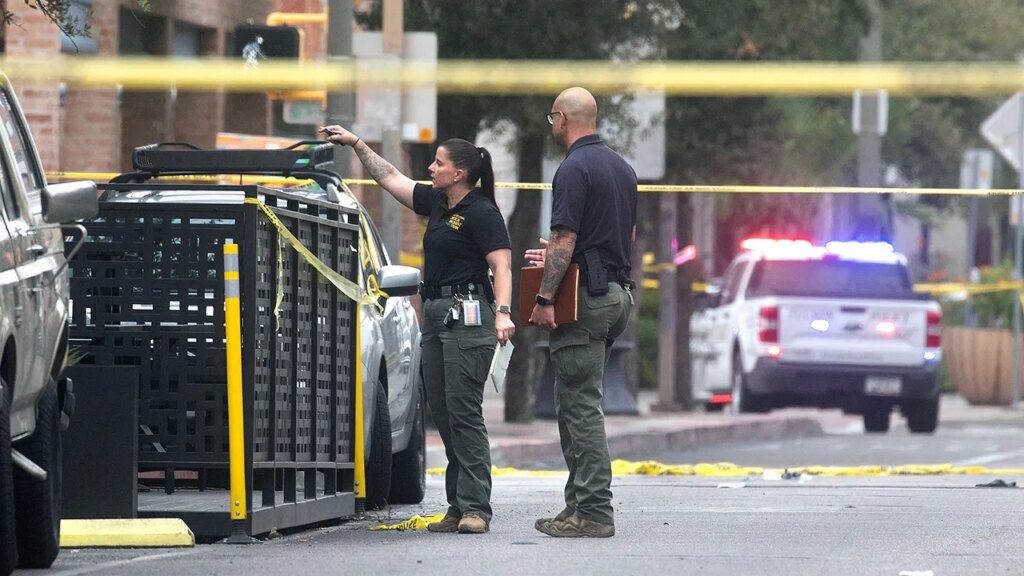

Tucson Shooting Suspect Charged: Nine Wounded in Downtown Nightlife District
Introduction
In a shocking incident that rattled the vibrant nightlife of Tucson, Arizona, a shooting occurred in the downtown area, leaving nine individuals wounded. The suspect, who has been charged, is now facing multiple counts related to the incident, including attempted murder. This tragic event has sparked conversations about public safety, gun control, and the need for increased security measures in urban nightlife districts.
Overview of the Incident
On a bustling Saturday night, the Tucson downtown nightlife district was abuzz with activity as residents and visitors frequented local bars and restaurants. Suddenly, gunfire erupted, causing chaos and panic among the crowd. Witnesses reported hearing multiple shots, leading to a swift response from law enforcement. Within minutes, police arrived on the scene and began treating the injured while conducting a manhunt for the suspect.
Details of the Shooting
The shooting took place around 11 PM, a time when downtown Tucson is typically teeming with nightlife. The nine victims, ranging from ages 20 to 50, suffered injuries of varying severity. Thankfully, none were reported to be life-threatening, but the shooting left many shaken. Local hospitals reported treating gunshot wounds, and several individuals were discharged after receiving emergency care.
The Suspect and Charges Filed
The suspect, a 28-year-old man, was apprehended shortly after the shooting. Authorities have charged him with multiple counts, including attempted murder and aggravated assault. The investigation revealed that the suspect had a prior criminal record, raising questions about his access to firearms and whether previous incidents could have warranted preventive measures.
Community Reaction and Impact
The Tucson community has expressed deep concern regarding the shooting. Local leaders and residents alike have voiced a need for enhanced safety protocols in nightlife areas. Many fear the long-term impact on Tucson’s vibrant cultural scene, a district that heavily relies on nightlife for economic sustainability. Business owners are particularly worried about potential declines in foot traffic due to fears of violence.
Gun Control Debates Renewed
This incident has reignited ongoing discussions about gun control laws in Arizona and across the United States. Advocates for stricter regulations argue that more must be done to prevent such tragedies while opponents cite Second Amendment rights. Gun violence is a pressing issue in America, and incidents like the Tucson shooting amplify the urgency of finding effective solutions.
The Role of Law Enforcement
In the aftermath of the shooting, Tucson’s law enforcement agencies are under pressure to enhance their presence in the nightlife district. Police Chief, in a statement, assured the community that increased patrols would be implemented over weekends and special events. He emphasized the necessity of community cooperation in preventing future incidents and urged individuals to report any suspicious activity promptly.
Public Safety Measures
To increase public safety in nightlife districts, a multi-faceted approach is recommended:
-
Increased Patrols: Law enforcement should increase the presence of uniformed officers in crowded areas, particularly during peak nightlife hours.
-
Improved Surveillance: Installing more cameras in downtown areas can help deter violence and provide evidence in case of criminal activities.
-
Emergency Response Training: Bar and restaurant staff should receive training on emergency response protocols to ensure a swift reaction can be executed in case of violence.
-
Community Engagement: Empowering local residents to engage with law enforcement can lead to better information sharing and thereby improve safety.
-
Public Awareness Campaigns: Initiating campaigns that educate the public about safety practices during nights out can also enhance community vigilance.
The Healing Process
In the wake of this traumatic event, mental health resources should be made available to the victims and their families, as well as to witnesses who may have been affected by the violence. Counseling services can aid in the healing process, allowing individuals to process their experiences and feelings following the shooting.
Conclusion
The Tucson shooting incident has caused immense trauma for those directly affected and has instigated a broader conversation about public safety in nightlife areas across America. As the legal process unfolds for the suspect, it remains crucial for the Tucson community to come together to advocate for actionable change, enhanced security measures, and open dialogues on gun control. Only through collective efforts can the community begin to rebuild a sense of safety in their cherished nightlife district.
Call to Action
As discussions surrounding this incident evolve, citizens must remain informed and engaged. Attend local town hall meetings, voice concerns, and advocate for policies that prioritize community safety. Let’s work together to ensure that our cities remain vibrant, secure spaces where people can enjoy the best that nightlife has to offer without fear.

