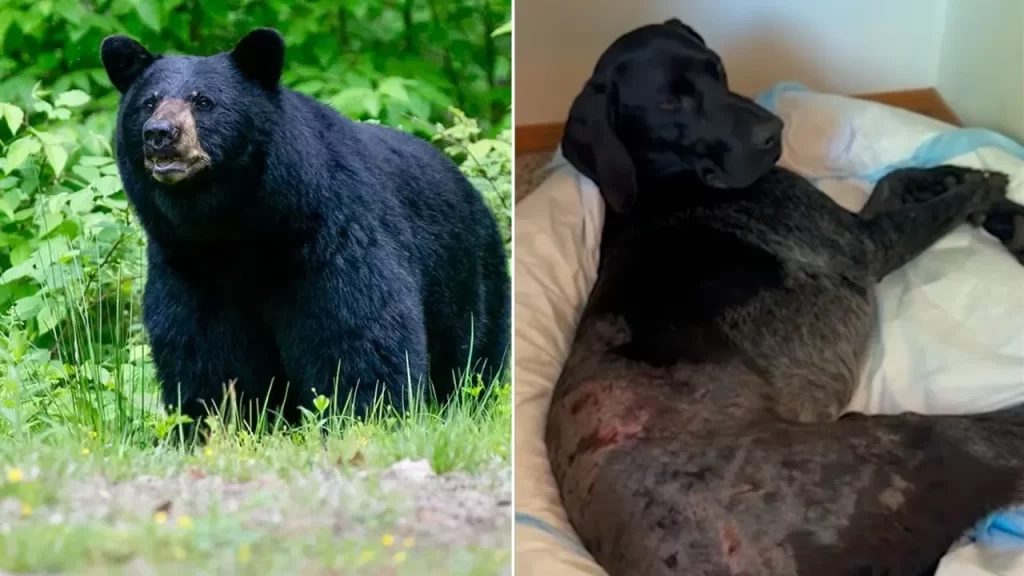

Alaska Woman Shoots Black Bear with Pistol to Save Dog on Remote Trail
Introduction
In a dramatic encounter that showcases the wild beauty and inherent dangers of Alaska’s rugged wilderness, an Alaska woman faced a life-or-death situation involving her beloved dog and a black bear. This incident has not only sparked conversations about wildlife encounters but also emphasized the importance of preparedness and safety in outdoor activities.
The Incident: What Happened?
The event took place on a secluded trail, common for both hikers and wildlife. The woman, whose identity remains discreet for safety reasons, was enjoying an outdoor adventure with her dog when they stumbled upon a black bear. The bear, likely looking for food, approached them aggressively, creating a tense and potentially fatal scenario.
As the bear lunged toward her dog, who was tied nearby, the woman quickly recognized the threat. With limited options and her dog’s life on the line, she made the difficult decision to defend her pet using her pistol, a decision both brave and perilous.
Understanding Black Bear Behavior
Nature of Black Bears
Black bears, while generally not aggressive, can pose a serious threat if they feel threatened or if they are protecting their cubs. In particular, bears in search of food can become bold, leading to dangerous encounters with humans.
Signs of Aggression
In this incident, the bear’s behavior exhibited signs of aggression, which can include:
- Snarling or Growling: Sounds indicating discomfort or readiness to attack.
- Charging: Moving quickly toward a perceived threat.
- Stiff Body Language: Indicating that the bear is on high alert.
Understanding these signs is crucial for anyone venturing into bear country.
The Role of Firearms in Bear Encounters
Self-Defense and Bear Safety
In Alaska, where encounters with wildlife are more common, many outdoor enthusiasts opt to carry firearms for protection against aggressive animals. However, using a firearm should always be a last resort. It’s important to employ other bear-safety strategies first:
- Bear Spray: This is often preferred over firearms due to its effectiveness and non-lethal nature.
- Creating Noise: Talking loudly and making noise discourages bears from approaching, as they usually prefer to avoid humans.
- Being Aware of Surroundings: Always staying alert while hiking can help prevent surprise encounters with wildlife.
The Legal Aspects
Using a firearm in self-defense against wildlife raises legal and ethical questions. In Alaska, homeowners and outdoor enthusiasts have the right to defend themselves and their pets when faced with a threatening animal. However, responsible gun ownership and understanding local regulations are crucial for anyone carrying a firearm in the wild.
The Psychological Impact on the Woman
The woman endured an incredibly emotional and traumatic experience. Shooting a wild animal, even in self-defense, can lead to significant psychological impacts, including:
- Survivor’s Guilt: The feeling of guilt for having to take a life to save another can weigh heavily.
- Post-Traumatic Stress: Experiencing a life-threatening encounter can lead to anxiety and stress.
- Bonding with Animals: The strong connection many owners have with their dogs can intensify feelings of fear and the urgency to protect them.
It’s vital to address these psychological aspects and seek support when needed.
Community Reaction and Discussions
Conversations Around Wildlife Protection
Following this incident, discussions have emerged within the community regarding wildlife conservation and safety measures. While people recognize the instinctive need to protect loved ones, there’s a call for better education on coexisting with wildlife.
The Importance of Responsible Outdoor Adventures
Many community members emphasized responsible outdoor practices, urging fellow adventurers to respect wildlife habitats, stay educated about animal behavior, and prepare adequately for encounters. This situation serves as a learning moment for all outdoor enthusiasts.
Educational Resources and Safety Tips
For those who venture into bear country, it’s beneficial to equip oneself with knowledge and preparation. Here are some valuable resources and safety tips:
Safety Courses
- Bear Safety Workshops: Many local organizations offer workshops on interacting with wildlife safely.
- First Aid Courses: Being prepared for injuries sustained from animals or accidents is essential for outdoor activities.
Carrying the Right Equipment
- Bear Spray: A non-lethal deterrent that is highly effective in emergencies.
- Sound Devices: Such as bells or whistles, which can alert bears of your presence.
- Emergency Communication: Keeping a phone or satellite device can help you reach help quickly if needed.
Conclusion
The brave actions of the Alaska woman in shooting a black bear to save her dog highlight both the extraordinary and perilous aspects of living in close proximity to nature. While it is heartbreaking that such incidents occur, they also serve as reminders of the unpredictability of wildlife and the need for preparedness.
Educating ourselves on bear behavior, employing safety measures, and prioritizing coexistence with nature are all important steps we can take to ensure our adventures remain as safe and enriching as possible in the wild. Through understanding, respect, and preparation, both humans and wildlife can coexist more peacefully in Alaska’s breathtaking wilderness.
SEO Keywords
- Alaska woman bear encounter
- black bear defense
- wildlife safety tips
- outdoor adventure with pets
- firearm safety in the wild
- bear behavior education
- wildlife conservation discussions